The Handwritten Charm of Embroidery: A Font for Welcoming Designs
There’s a particular magic that happens when you see a design that feels genuinely personal. It’s the difference between a mass-produced, generic greeting and a note scrawled on a card that you know someone took time over. That’s the immediate sensation when you encounter the Embroidery typeface. It doesn’t just sit on the page; it leans in, offering a warm, handwritten hello that feels both effortless and intentional. In a digital landscape that can often feel cold and automated, this premium font delivers a dose of authentic, human charm that’s hard to ignore.
More Than Just Letters: Understanding the Font's Personality
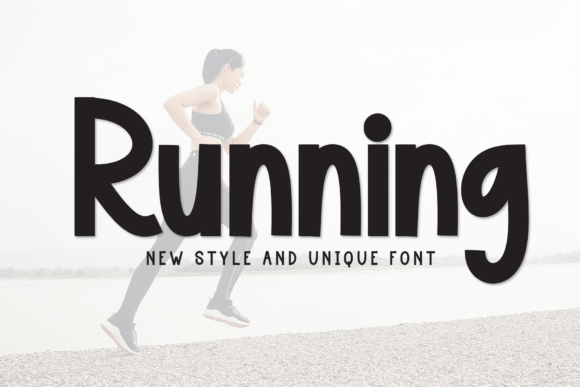
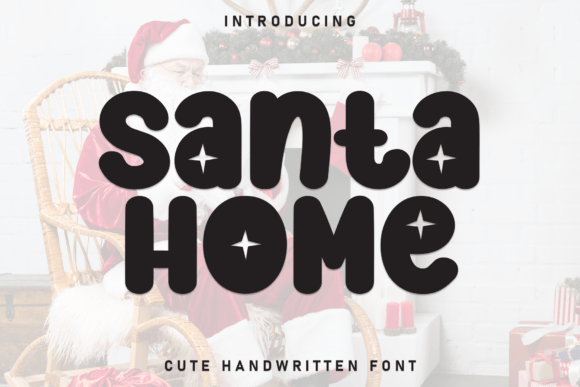
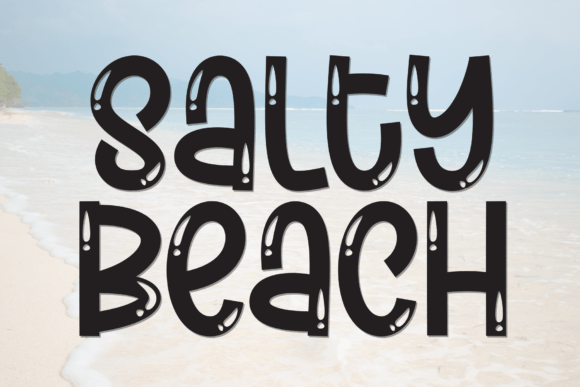
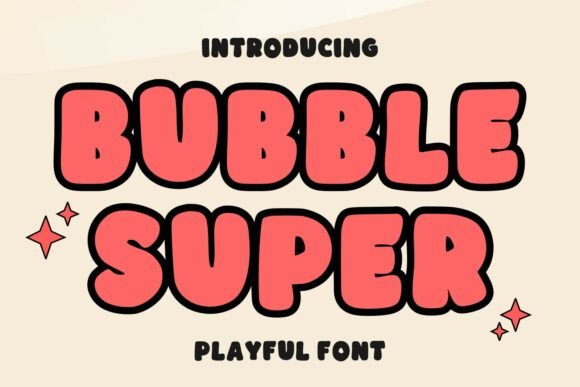
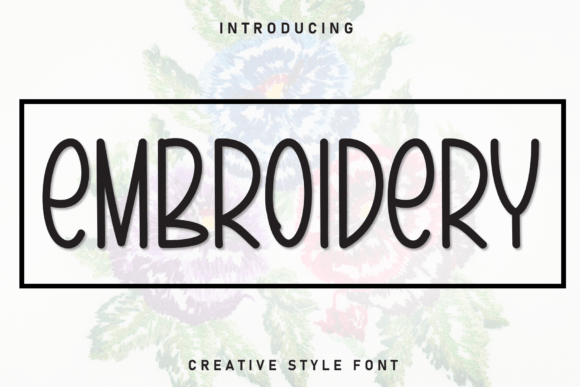
At its core, Embroidery is a display font with a distinct handwritten character. Its letters flow with a casual, bouncy rhythm, mimicking the natural imperfections and charming loops of real penmanship. This isn't a rigid, technical script; it's a typeface that feels alive. The gentle curves and slightly uneven baselines create an infectious cuteness and animated cheer, making it radiate a welcoming warmth. It’s the visual equivalent of a friendly smile or a heartfelt laugh, making it an idyllic match for projects where you want to forge an immediate, positive connection with your viewer.
What sets it apart from other script or handwritten fonts is its balance. It maintains a high level of readability despite its playful style, avoiding overly ornate swashes that can muddle legibility. This careful design ensures that the font's effervescent friendliness enhances your message rather than obscuring it. Whether used for a single impactful word in a logo or a short, sweet phrase on social media, its character shines through clearly.
Putting Embroidery to Work: Practical Applications
The true value of any design asset lies in its versatility. Here’s where a creative font like Embroidery moves from a pretty specimen to a practical tool for a wide range of projects.
- Brand Identity & Logo Design: For businesses aiming for a approachable, artisanal, or boutique feel—think a local bakery, a handmade jewelry shop, or a family-run café—Embroidery can form the heart of a brand's visual identity. Used in a logo or as a consistent display font for headlines, it helps build immediate brand recognition through its unique, friendly voice.
- Packaging & Product Design: Imagine this font gracing the label of a gourmet jam, a scented candle, or a bag of artisan coffee. It instantly communicates care, craftsmanship, and a personal touch, elevating the perceived value of the product on the shelf.
- Invitations & Event Stationery: This is a natural home for Embroidery. Its charming warmth makes it perfect for wedding invitations, baby shower announcements, birthday party invites, and thank you cards. It sets a joyful, personal tone before the event even begins.
- Marketing & Social Media Graphics: In the fast-scrolling world of Instagram, Facebook, or Pinterest, a font with personality stops the thumb. Use it for quote graphics, promotional sale banners, or Instagram story highlights to add a dash of delight and make your content feel more engaging and relatable.
- Web & Digital Presence: While primarily a display font, Embroidery can be used strategically on websites for key headlines, banner text, or call-to-action buttons to inject personality into a digital space. It pairs wonderfully with a clean sans serif font for body text, creating a dynamic and professional presentation.
- Print Materials & Editorial Design: From poster headlines and flyer headers to chapter titles in a booklet or magazine, this typeface adds a touch of whimsy and draws the eye. It’s particularly effective in designs for children's products, lifestyle blogs, or creative portfolios.
Smart Pairings and Readability: A Designer's Guide
Introducing a strong display font like Embroidery into your toolkit requires a bit of strategy to ensure visual consistency and maximum impact. The key is to let it be the star of the show in the right context.
Mastering Font Pairings: The golden rule with a highly stylized font is contrast. Pair Embroidery with a simple, clean sans serif font or a classic, understated serif font. For example, using Embroidery for a main headline like "Grand Opening" and a clean sans serif for the date and details creates a beautiful hierarchy that is both eye-pleasing and easy to read. Avoid pairing it with another ornate script or a similarly casual handwritten font, as this will create visual competition and confusion.
Readability is Non-Negotiable: While Embroidery is designed for clarity, it’s best used for short bursts of text—headlines, logos, single words, or short phrases. For longer blocks of text, such as product descriptions, blog post bodies, or informational pamphlets, always opt for a highly legible body font. This ensures your audience can easily consume your core message while still enjoying the delightful accent of your chosen display typeface.
Explore the Included Styles: Before diving into a project, take a moment to review all the font files included in your download. Many premium fonts like Embroidery come with multiple styles—perhaps regular, bold, or alternate character sets. These variations give you more creative flexibility. The alternate swashes or ligatures can add an extra layer of uniqueness to a logo or a headline, allowing for even more personalized and mesmerizing enchantment in your final design.
From Hobby to Business: Considering the Commercial License
One of the most crucial, yet often overlooked, aspects of using a font for professional work is understanding its licensing. This is where your project transitions from a personal hobby to a commercial endeavor.
If you're a small business owner, entrepreneur, or designer creating assets for a client, you must ensure you have the correct commercial font license. This license grants you the legal right to use the font in projects that generate revenue—whether it's on a product you sell, in a client's branding package, or on a monetized website. Reputable font foundries and marketplaces provide clear licensing terms. Always review these to confirm that your intended use (e.g., on merchandise, in digital products, for a client's logo) is covered. Investing in the proper license protects your work, supports the talented typographers who create these design assets, and gives you peace of mind.
In the end, choosing a typeface like Embroidery is about more than just aesthetics; it's about selecting a voice for your project. It’s a tool for visual communication that can bridge the gap between a brand and its audience, transforming a simple design into a memorable experience. By understanding its personality, applying it thoughtfully across various media, and pairing it wisely, you can harness its infectious cheer to create work that doesn't just look good, but feels genuinely welcoming and full of life.